Introduction
Oman has become an increasingly attractive destination for expatriates, not only for work but also for long-term investment opportunities. One of the most sought-after areas is real estate. However, the rules governing expat ownership differ depending on whether the property is freehold or leasehold.
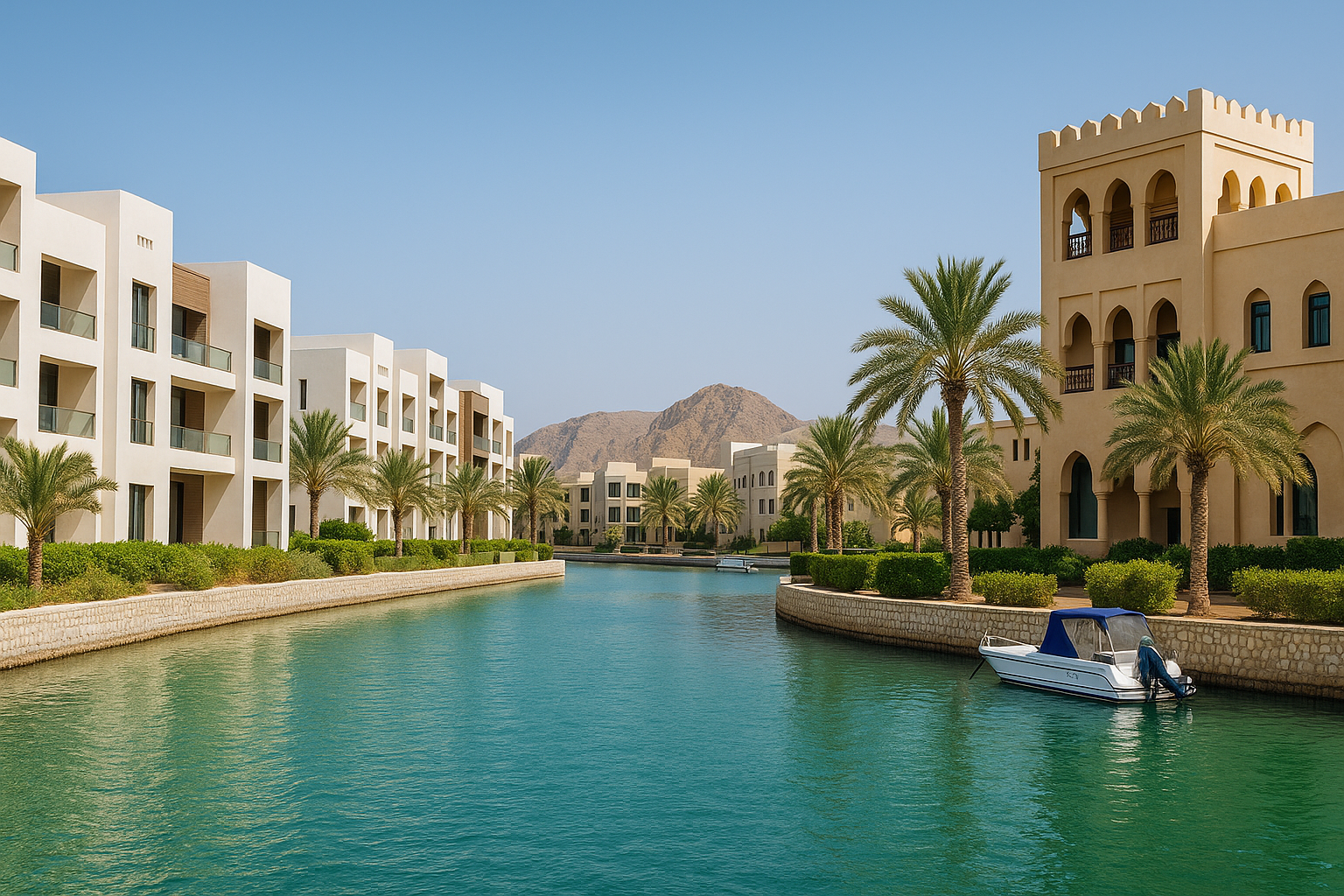
Freehold Ownership
-Freehold property ownership is generally limited to designated Integrated Tourism Complexes (ITCs).
-Expats can own residential and commercial property in these areas, and ownership includes the right to pass it to heirs.
- ITCs such as Al Mouj, Muscat Hills, and The Wave are popular with foreign investors.
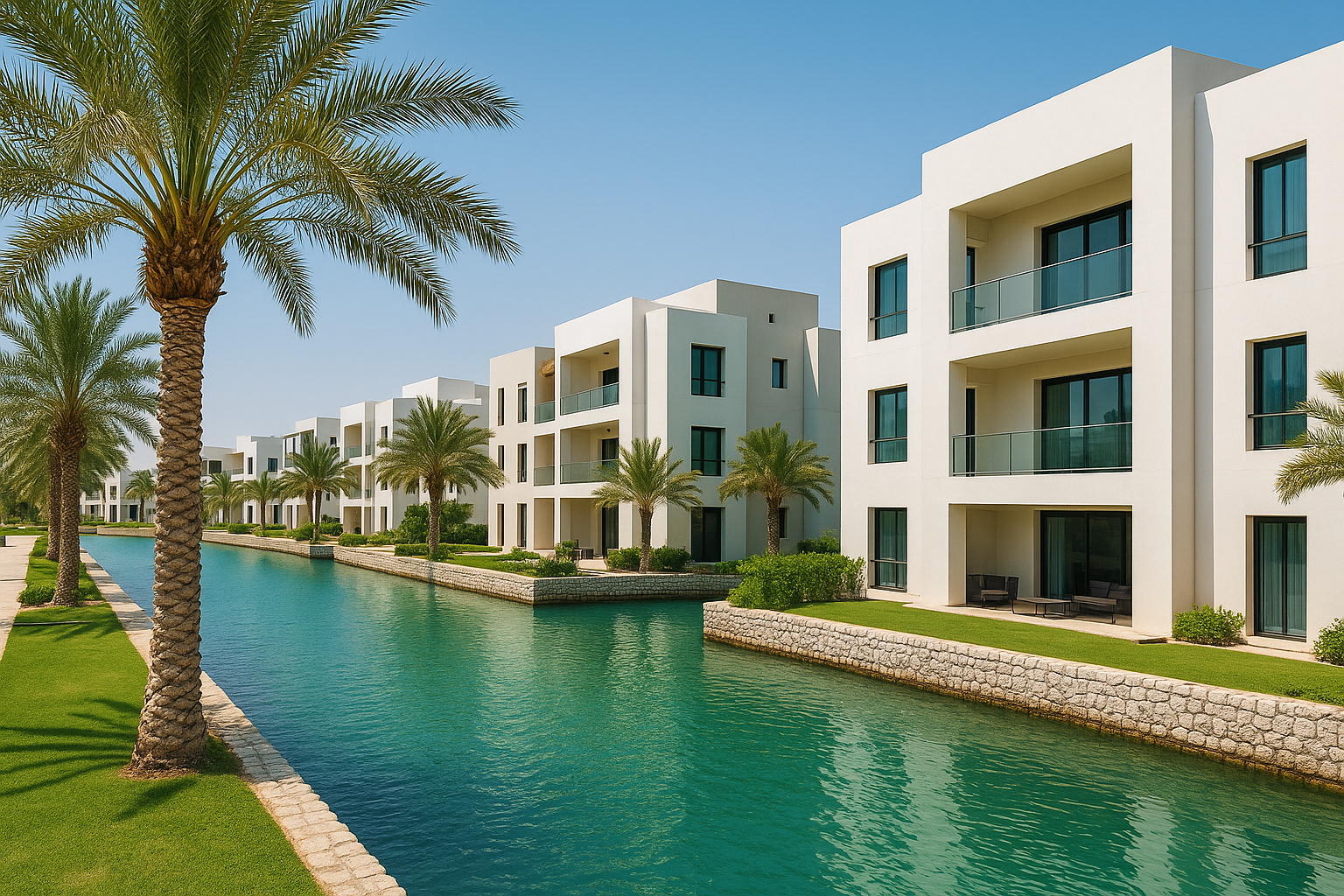
Leasehold Properties
-Outside ITCs, expats can lease property but not own outright.
-Lease agreements often run up to 99 years, providing long-term security.
-Leasehold investments may be ideal for those seeking affordability without the complexities of freehold purchase.
Why Invest?
-Oman’s stability, attractive lifestyle, and strong rental market.
-Potential for capital appreciation in ITCs and rental yields from growing expat demand.
Conclusion
For expats, real estate in Oman offers a stable and rewarding opportunity. Freehold in ITCs is ideal for long-term investors, while leasehold provides flexible and secure housing options.