Investing in Real Estate in Oman: Freehold & Leasehold Rules for Expats
Oman has become an increasingly attractive destination for expatriates, not only for career opportunities but also for long-term real estate investments. With its stable economy, modern lifestyle, and strong rental market, Oman offers expats multiple pathways to secure property. However, it is important to understand the rules governing freehold and leasehold property ownership in Oman before making an investment.
Freehold Property Ownership in Oman
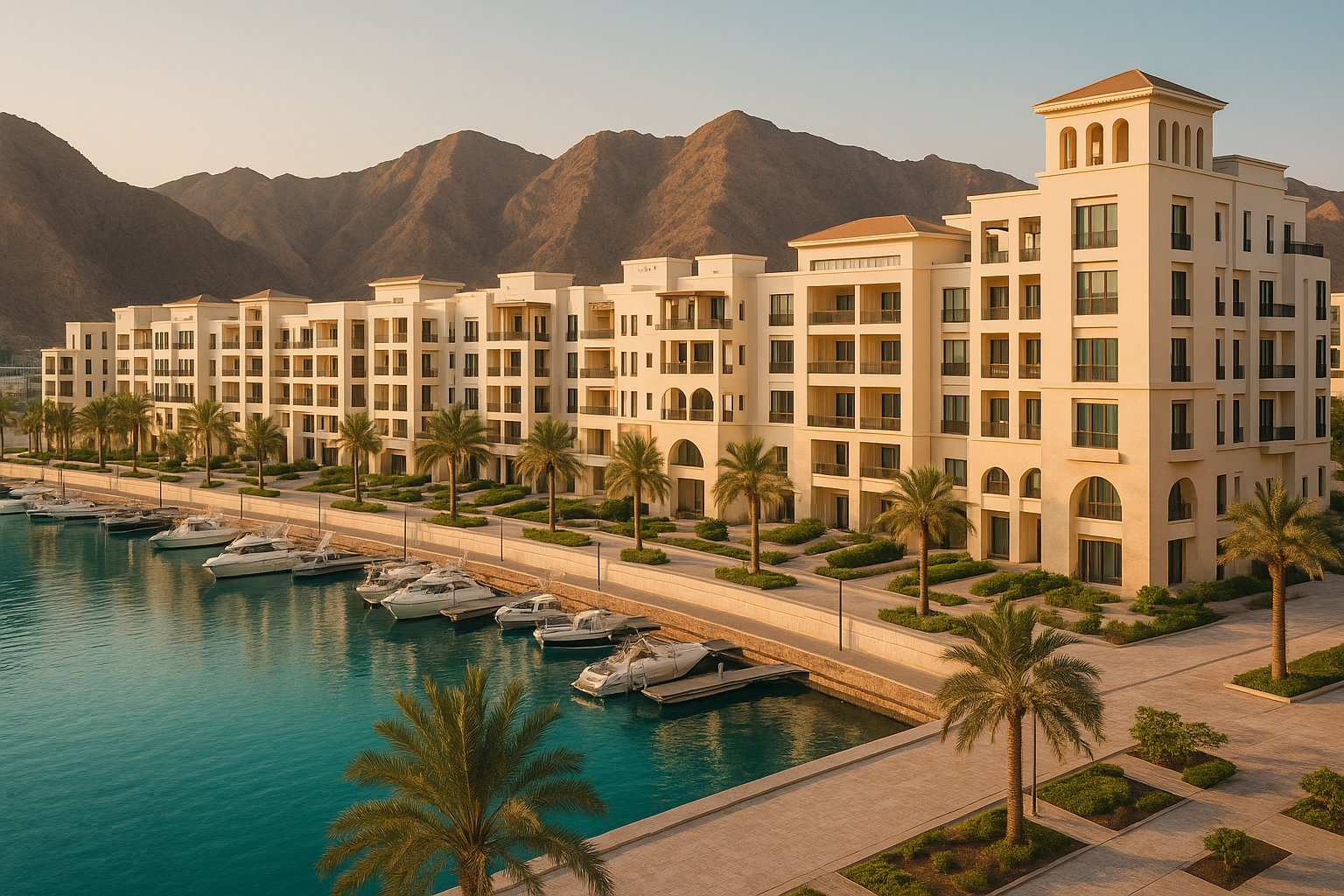
Freehold ownership is the most desirable option for many foreign investors, but it is only available in designated Integrated Tourism Complexes (ITCs).
Where Expats Can Buy Freehold Property: ITCs such as Al Mouj Muscat, Muscat Hills, and The Wave are popular choices for expatriates.
What You Can Own: Expats can purchase both residential and commercial properties within ITCs.
Inheritance Rights: Freehold ownership also includes the right to pass the property to heirs, making it a secure long-term investment in Oman real estate.
Leasehold Property in Oman
For areas outside ITCs, expatriates are not allowed to own freehold property but can enter into long-term lease agreements.
Duration of Leaseholds: Many leasehold contracts can run for up to 99 years, providing substantial security.
Flexibility and Affordability: Leasehold options are often more affordable than freehold properties, making them ideal for expats looking for secure housing without the complexities of ownership.
Investment Potential: Leasehold agreements can also be beneficial for those seeking rental opportunities or affordable long-term living arrangements.
Why Invest in Oman Real Estate as an Expat?
There are several reasons why Oman has become a hub for international property investment:
Political and Economic Stability – Oman is known for its safe environment and steady governance.
Strong Rental Market – The growing expat population fuels demand for quality housing.
Capital Appreciation – Properties in ITCs have shown increasing value over time, especially in high-demand areas like Muscat.
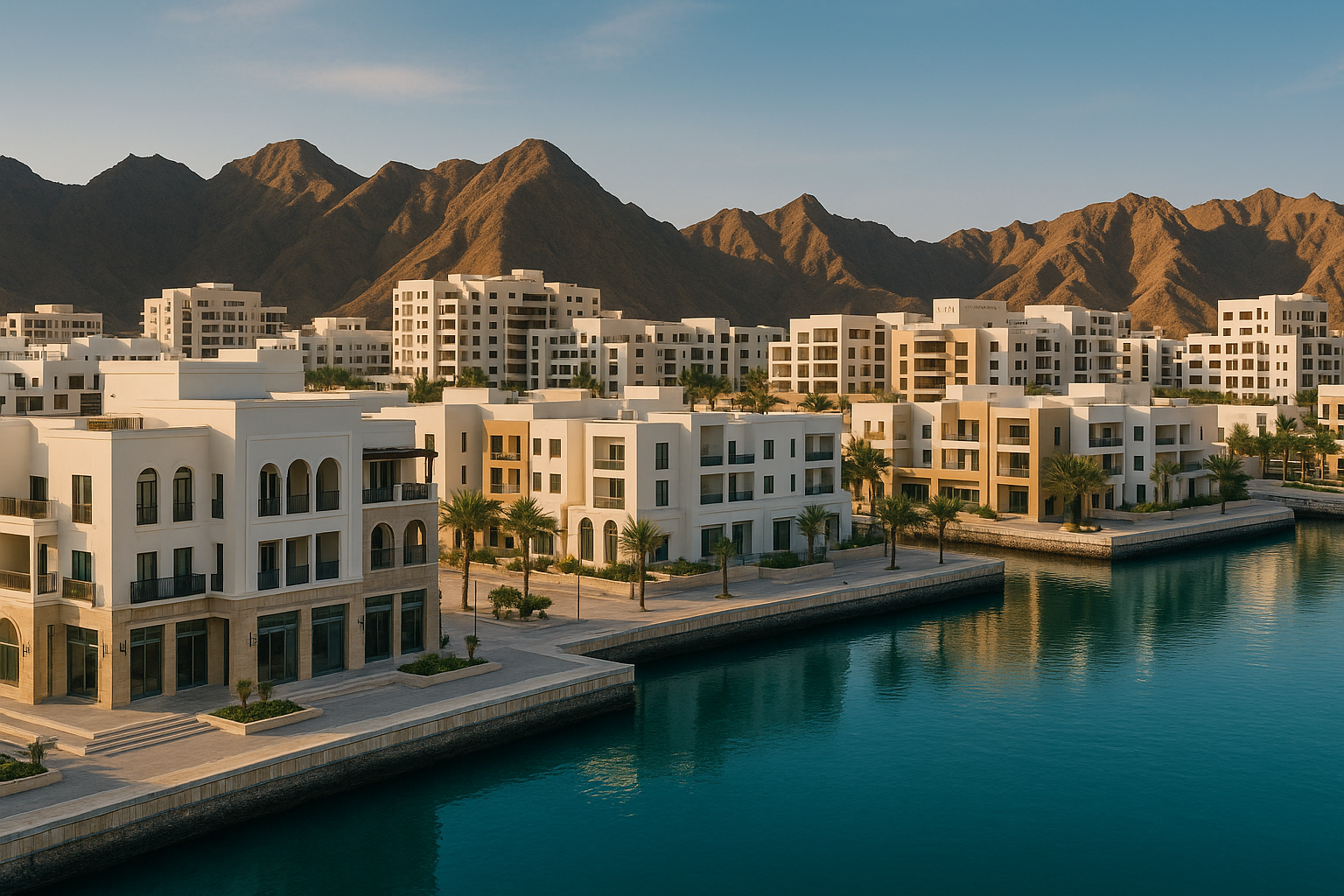
Lifestyle Benefits – Modern infrastructure, stunning coastal developments, and a family-friendly environment make Oman a desirable place to live.
Conclusion
For expatriates, real estate investment in Oman presents a stable and rewarding opportunity.
Freehold properties in ITCs are ideal for long-term investors seeking full ownership, inheritance rights, and potential capital growth.
Leasehold properties provide flexible, secure, and affordable housing solutions for those who prefer not to commit to freehold purchases.
Whether you are looking for a home, an investment, or a combination of both, Oman’s real estate market has options tailored to expat needs.